Commercial Locksmith Services in New York & the New York area
When your storefront, office, or warehouse depends on doors that open for the right people and stay shut for everyone else, you need a commercial locksmith who understands how a business actually runs. NYC Smart Locksmiths is a 24/7 mobile team serving businesses across Manhattan, Brooklyn, Queens, the Bronx, and Staten Island — from the retail corridors of SoHo and the Financial District to the restaurants of Astoria and the loft offices near the Flatiron Building. Our trained, insured technicians come to you, diagnose the hardware on site, and confirm an exact up-front price before any work begins.
Open 24 hours, 7 days a week · Licensed, bonded & insured
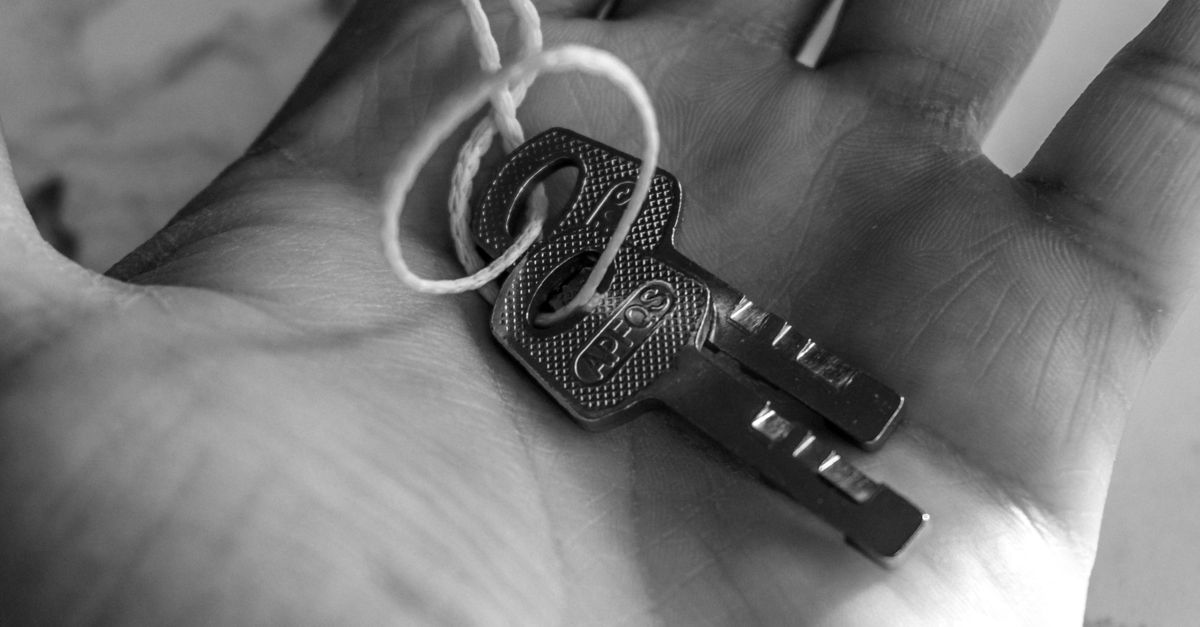
From a jammed mortise lock on a Midtown glass storefront to a full master-key rollout for a multi-floor DUMBO workspace, we handle the mechanical and electronic security that keeps a company operating. We repair and install everything from heavy-duty entry hardware and panic bars to access-control readers and high-security cylinders, and we do it with damage-free methods wherever the lock and door allow. Call (646) 796-3022 — we answer around the clock, every day of the year.
What we do
Storefront Hardware
We service aluminum glass-door mortise locks, panic bars, and electric strikes found on NYC retail and office fronts.
Master Key Systems
We design keying hierarchies so managers and staff get exactly the access they need across one or many locations.
Access Upgrades
Keypad, fob, and buzzer entry options compared plainly so you can choose the best security setup for your New York business.
After-Hours Service
Scheduled night and weekend work so lock changes don't interrupt your business day.
Round-the-Clock Protection for New York Businesses: Why Commercial Work Is Its Own Discipline
A business lock lives a harder life than a home lock. A restaurant door in the East Village might cycle hundreds of times in a single dinner service, an office suite near Bryant Park may route dozens of employees through one entrance each morning, and a warehouse loading door in Long Island City takes abuse no residential deadbolt ever sees. That volume means commercial hardware wears differently, fails differently, and must meet building, fire, and insurance standards that a house simply doesn't face.
Our commercial locksmith services are built around that reality. We work with grade-rated mortise locks, rim and surface-mounted panic hardware, aluminum storefront cylinders, electric strikes, and master-key systems that can govern an entire building from a single plan. When a lock seizes mid-day, an emergency commercial locksmith who understands these systems can keep you open rather than forcing you to close — and because we're mobile across all five boroughs, a technician is usually close to your door.
Commercial calls also carry higher stakes around access and liability. We verify authority before performing any lockout or rekey on a business, document the work, and advise on how to limit who holds a working key. If you're weighing whether to repair or upgrade, call (646) 796-3022 and we'll walk the hardware with you before quoting a cent.
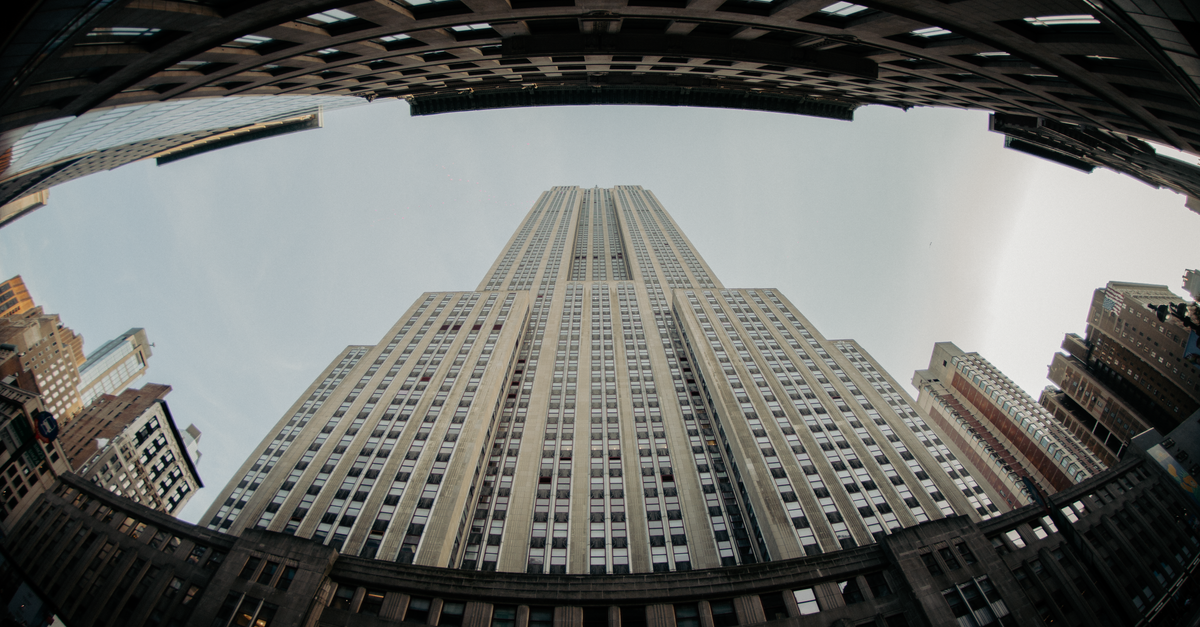
Electronic Access Control vs. Mechanical Master-Key Systems: Choosing the Right Backbone
Most businesses land on one of two foundations: a mechanical master-key system or an electronic access-control setup — and many of the strongest security plans blend both. A master-key system lets you issue a single key that opens select doors while giving managers a key that opens more, all built on a controlled keyway so copies can't be cut at a hardware counter. It's dependable, needs no power, and works beautifully for small offices, retail, and multi-tenant buildings where simplicity matters.
Electronic access control trades metal keys for cards, fobs, keypads, or phone credentials, and its real advantage is memory and flexibility. You can grant a vendor access only on Tuesdays, pull a credential the instant someone leaves, and review a log of who opened the stockroom and when. For a growing company in a shared building near Union Square or a medical office handling sensitive areas, that audit trail and instant deactivation can be worth far more than the convenience alone.
We don't push one path over the other. We look at your door count, staff size, turnover rate, how often you add locations, and what your insurer expects, then recommend a system that fits. Often the smartest setup keeps mechanical locks on low-traffic interior doors while electronic readers guard main entries and high-value rooms — giving you control without over-building.
High-Security Hardware for Storefronts and Offices: Mortise Locks, Door Knob Locks, and Cylinders That Hold Up
The hardware on a commercial door is where security is won or lost, and the mortise lock is the workhorse of that world. A mortise lock seats a rugged lock body inside a pocket cut into the door edge, pairing a deadbolt and latch in one strong assembly that handles constant use far better than a lightweight bored lock. We install, repair, and rekey mortise locks on wood, metal, and aluminum storefront doors, and when a worn mortise cylinder starts sticking, we can often restore smooth operation without replacing the entire unit.
Not every opening needs a mortise lock, though. Interior offices, supply closets, and back rooms are frequently well served by a commercial-grade door knob lock or lever set rated for heavy traffic, chosen with ADA-friendly levers where codes call for them. For doors that need genuine resistance to drilling, picking, and bumping, we fit high-security cylinders from makers such as Schlage, Medeco, and Mul-T-Lock, with keys that require authorization to duplicate — a real safeguard against the quiet risk of an ex-employee's copy.
Choosing the right grade matters more than most owners expect. We help you match hardware grade to how a door is actually used, so you're not under-protected on a main entrance or overspending on a rarely used side door. Every recommendation comes with a clear, up-front quote that reflects the specific locks, parts, and labor your doors require — no surprises after the fact.
Staff Turnover Protocols: Business Lock Rekey, Card Deactivation, and Access Audits
Every time an employee with keys or credentials leaves, your access plan has a hole in it until you close it. A lost master key, an unreturned fob, or a manager who quietly kept a copy can undo an otherwise solid system. The fastest, most economical fix for a lost or circulated key is usually a business lock rekey — we change the pins inside your existing cylinders so old keys no longer work and issue fresh keys, all without buying new locks. When people ask us to rekey, a commercial locksmith can often turn over a whole suite of doors in a single visit.
For electronic systems, turnover handling is even cleaner: we deactivate the departed person's card or code on the spot and leave the rest of your team's access untouched. Pairing that with a periodic access audit — reviewing who currently holds keys and credentials against who should — catches the forgotten vendor fob or the spare that drifted into the wrong drawer. We can set you up with a simple key-holder log so this never becomes guesswork.
We recommend building these steps into your offboarding routine rather than scrambling after an incident. For storefronts near high-foot-traffic areas like Herald Square or busy Brooklyn avenues, where a former staffer knows your closing routine, prompt rekeying is one of the cheapest insurance policies you can buy against internal loss — and we can schedule it after hours so it never interrupts a shift.
Door Hardware That Satisfies Insurers and Fire Codes: Panic Bars and Compliant Exits
Insurance carriers and fire marshals both have opinions about your doors, and ignoring either can be costly. Many commercial leases and policies require specific deadbolt grades, reinforced strikes, or documented high-security cylinders on exterior doors; after a break-in, an insurer may scrutinize whether your hardware met the standard it expected. We can assess your current setup against common requirements and upgrade what falls short, then document what we installed.
Life-safety codes add another layer, and this is where panic hardware comes in. Panic bar installation is required on many assembly, retail, and high-occupancy exits so that anyone can push their way out instantly in an emergency, even in the dark or in a crowd. We handle panic bar replacement when an old push bar sticks or fails, and we install panic bars with mortise lock bodies where a door needs both free egress from the inside and a secure, keyed entry from the outside — common on restaurant and venue doors across the city.
Getting this balance right protects both your people and your liability position. An exit that locks when it shouldn't is a danger and a code violation; an entry that anyone can open is a loss waiting to happen. We fit exit devices that let staff and customers leave freely while keeping the outside controlled, and we verify alignment, latching, and strike engagement so the door performs under daily use and under pressure.
Upgrading a Commercial Locksmith Setup Without Shutting Down: Planning, Timing, and Local Logistics
The biggest fear owners voice about a security upgrade isn't the hardware — it's downtime. A retail shop can't tear out its front lock at noon on a Saturday, and a law office can't leave a suite open during a rekey. That's why we plan commercial projects around your operating hours, sequencing work door by door so an entrance is never left unsecured, and scheduling the heaviest changes for evenings, early mornings, or weekends when it suits you.
Local logistics matter in New York in ways they don't elsewhere. Freight-elevator windows in Midtown towers, loading restrictions on narrow Tribeca streets, landmark-building rules in parts of Brooklyn Heights, and parking realities everywhere all shape how a job runs. As a mobile team that works these neighborhoods daily, we build those constraints into the plan instead of discovering them on arrival, so the upgrade stays on schedule and your staff stays productive.
Before we touch a door, we survey every opening, confirm the master-key or access plan you want, and give you a written, up-front price covering locks, parts, and labor. Ready to strengthen your doors without losing a day of business? Call (646) 796-3022 — we answer 24/7 and can send a technician to walk your space and build the plan with you.
Brands We Service
We install, repair and rekey all major lock brands — from everyday deadbolts to high-security cylinders.






Don’t see your brand? We service virtually every make — just call.
Before you call — what to expect
What Customers Usually Ask Before Booking — Emergency Locksmith NYC Smart Locksmiths
How do I know if a locksmith is legit before I let them work on my door or car?
A trustworthy locksmith will arrive in a marked vehicle, show a photo ID, and walk you through exactly what needs to be done before touching anything. At NYC Smart Locksmiths, our trained technicians always confirm your identity as the owner or authorized occupant first — that verification step protects you as much as it protects the property. If a locksmith refuses to show ID or quote you a firm price before starting, treat that as a red flag and call us instead at (646) 796-3022.
Do you need a license to be a locksmith in NY, and does your team meet that standard?
New York City has specific registration requirements for locksmiths operating within the five boroughs, and operating without meeting those requirements is illegal. Our team is made up of experienced, insured professionals who operate in full compliance with local rules — so when you call NYC Smart Locksmiths you are working with a team that takes its legal and professional obligations seriously, not a fly-by-night operation.
Can a locksmith let me into my house if I am locked out, or do I need to involve anyone else?
Yes — a qualified locksmith can regain access to your home through legitimate, non-destructive methods. Before calling us, it is always worth checking for a spare key with a trusted neighbor, or trying any secondary entrance you may have forgotten about. When you do call, we will ask you a few quick ownership-verification questions, then our skilled technician will assess the door and lock — including mortise lock hardware if that is what you have — and get you back inside without unnecessary damage.
What is the difference between a locksmith and an auto locksmith, and can you handle both?
A general locksmith focuses on residential and commercial door hardware — rekeying, mortise lock installation, door knob lock replacement, deadbolts, and access control. An auto locksmith specializes in vehicle entry, transponder key programming, and ignition work. NYC Smart Locksmiths covers both sides: our technicians are trained across residential, commercial locksmith work, and automotive services, so one call to (646) 796-3022 handles your home, office, or vehicle — 24 hours a day, 7 days a week.
How Our Quote Process Works — Mortise Lock, Door Knob Lock, and Every Job In Between
There are no surprise charges at NYC Smart Locksmiths. Here is exactly how we move from your first call to a confirmed, up-front price — whether you need a mortise lock serviced, a commercial locksmith for your storefront on Church Street in Tribeca, or emergency locksmith help at 2 a.m. on the Upper West Side.
Step 1 — You call (646) 796-3022 and describe the situation. Our dispatcher asks a few targeted questions: What type of lock or vehicle is involved? Is this a residential door, a commercial property, or a car? Are you locked out, or do you need new hardware installed? These details matter because the final price depends on factors like the lock type (a heavy-duty mortise lock requires different labor than a basic door knob lock), the make and model of a vehicle, the time of day the service is needed, the travel distance to your location, and any parts or replacement hardware required.
Step 2 — Based on what you have described, we give you a clear quote range over the phone so you understand the cost landscape before anyone is dispatched. No vague estimates, no bait-and-switch language.
Step 3 — The technician arrives, inspects the lock or hardware in person, and confirms the exact price with you face to face. That confirmed figure accounts for everything: labor, parts, and any complexity the on-site inspection reveals. Nothing is added after the fact.
Step 4 — You approve the price before a single tool is used. We only start work once you have given the go-ahead on the confirmed up-front quote. That is our commitment on every job — from a quick door knob lock swap in Astoria to a full mortise lock overhaul for a commercial property in Midtown.
What to Expect from Your NYC Smart Locksmiths Technician — From Arrival to Tidy Finish
Knowing what a professional visit looks like helps you feel confident from the moment the van pulls up. Here is what every NYC Smart Locksmiths service call looks like on the ground — whether it is a residential lockout on Bedford Avenue in Williamsburg, a mortise lock repair in a Chelsea brownstone, or a commercial locksmith call for a business on Fifth Avenue.
A realistic arrival window communicated upfront. After dispatch, you will receive an estimated arrival window based on our technician's current location and your address. New York City traffic is real, and we respect your time enough to be honest about timing rather than promise what we cannot guarantee. If anything changes en route, we call you.
A marked van and photo ID before anything else. Our technicians arrive in an identifiable NYC Smart Locksmiths vehicle and present photo identification before beginning any conversation about your lock or property. This is your first and most important verification step — any qualified professional will do this without being asked.
A clear walkthrough of the work before it begins. Whether the job involves a mortise lock, a door knob lock, a high-security deadbolt, or an automotive transponder key, the technician will explain what they found, what needs to be done, and why — in plain language. You will understand the scope before you approve anything. This is also the moment the confirmed up-front price is presented, as described above.
A clean, complete finish with no mess left behind. Our technicians bring their own equipment and remove all debris, packaging, and old hardware from the job site. After the work is done, we test the lock with you present so you can see it operates correctly before we leave. If you have questions about maintaining your new mortise lock, improving door security, or what to do if you lose a key in the future, ask — our skilled team is there to help, not to rush to the next call. Ready to book or just have more questions? Call (646) 796-3022 — we answer 24 hours a day, 7 days a week.
Service area
Areas we cover around New York
Based in New York, we reach the New York area fast — 24/7. Don’t see your street? Call us, we very likely cover it.
(646) 796-3022Frequently asked questions
Do you need a license to be a locksmith in NY?
New York State does not maintain a single statewide locksmith license, though New York City requires locksmiths operating in the five boroughs to hold a city-issued trade license. Beyond any paperwork, what protects you is hiring a trained, experienced, and insured technician who will verify your authority over the property and give a clear up-front price. Our team is insured and works openly, documenting commercial jobs for your records.
How do I know if a locksmith is legit?
A trustworthy locksmith answers with a real business name, confirms an exact price before starting, and asks you to verify ownership or authority before opening a business or home. Be cautious of anyone who quotes a suspiciously vague figure by phone and then inflates it on arrival. When you call (646) 796-3022, you'll speak with our team, get a transparent quote, and meet an insured technician who arrives prepared and identifies the work clearly.
Can a locksmith let me into my house or business if I am locked out?
Yes, once you can show you have the right to be there. For a home we may ask for ID matching the address or other proof; for a business we confirm you're the owner, a manager, or an authorized representative. This protects you as much as us. Our technicians use damage-free entry wherever the lock and door allow, and only move to other methods when a lock is already failed or a door can't be opened safely any other way.
How does a locksmith open a locked door without damaging it?
Skilled locksmiths rely on the right tools and knowledge of how a specific lock is built to work it open without force in most cases, preserving the door and hardware. We won't publish techniques, since that information helps the wrong people, but you can expect us to try non-destructive methods first on a standard lockout. If a lock is already broken or seized, we'll explain why a repair or replacement is the safer route and quote it before proceeding.
What is the difference between a locksmith and an auto locksmith?
A general commercial and residential locksmith focuses on buildings — doors, deadbolts, mortise locks, master-key systems, and access control. An auto locksmith specializes in vehicles, cutting and programming transponder keys, fobs, and ignition components for cars and trucks. Many teams, including ours, handle both, but the tools, parts, and training differ, so pricing on a car key or ignition job is driven by the make, model, and key type rather than building hardware.
What goes into the cost of commercial locksmith services, and will I know the price first?
Several factors shape a commercial quote: the type and grade of lock or panic hardware, how many doors are involved, whether parts like cylinders or electric strikes are needed, the time of day, and travel distance within the city. We assess all of this on site or over the phone and confirm a firm up-front price before any work starts, so there are no surprises. Call (646) 796-3022 for a clear quote anytime.
Can the post office change the lock on my mailbox, or can a locksmith do it?
For a cluster mailbox owned by the U.S. Postal Service, a post office lock change is typically arranged through USPS. For private mailboxes in an apartment or commercial building that the property owner controls, a locksmith can rekey or replace the lock and cut new keys directly. If you're unsure who owns the box, we can help you determine that and handle whatever portion falls on the private side.
Where can I find an urgent locksmith in NYC at night or on weekends?
Our mobile team operates 24/7 across Manhattan, Brooklyn, Queens, the Bronx, and Staten Island, including nights, weekends, and holidays, so an emergency commercial locksmith is reachable whenever a lockout, break-in repair, or failed lock threatens your business. Because we travel to you, response time depends on your location and current demand. Call (646) 796-3022 and we'll give you an honest arrival window and a price before we start.