Master Key Systems
Managing access across an office tower on Park Avenue or a six-story walk-up in Astoria presents a challenge that a single key for every door simply cannot solve. A well-engineered keying hierarchy lets property owners, building managers, and business operators grant each person exactly the level of access they need — no more, no less — while keeping a single master credential at the top of the chain. NYC Smart Locksmiths designs, installs, and re-keys these systems for commercial properties, multi-tenant residential buildings, and mixed-use developments across all five boroughs.
Open 24 hours, 7 days a week · Licensed, bonded & insured
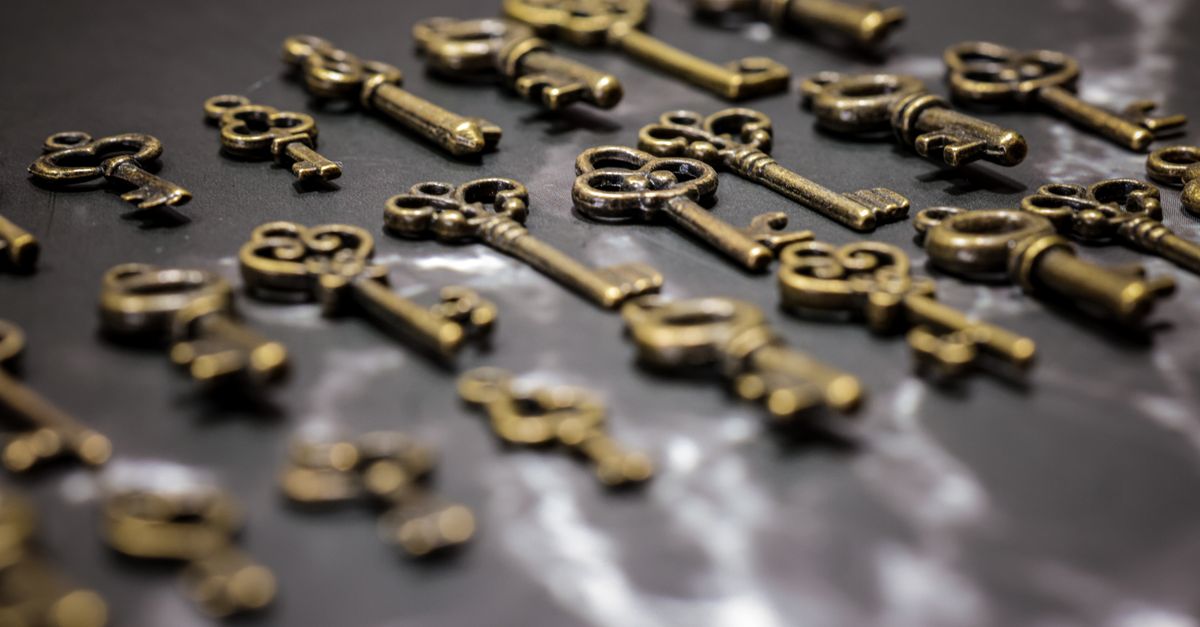
The backbone of any serious keying hierarchy is precision hardware. We work extensively with high-security mortise lock cylinders — the deep-set, rectangular units standard in New York's commercial and pre-war residential stock — because their interchangeable core architecture is what makes true master key hierarchies possible. Whether your building has twenty suites or two hundred, our trained, insured technicians come directly to your site, assess your existing hardware, and map out a system that grows with your organization. Call (646) 796-3022 any time — our mobile team answers 24/7.
What we do
Available 24/7
Day, night, weekends and holidays — a real local locksmith answers and rolls a fully-stocked van.
Fast local response
Based in New York, we reach the New York area in well under an hour.
Insured & background-checked
Vetted technicians, up-front pricing, and no surprise add-ons when we arrive.
Damage-free entry
We pick and bypass locks the right way, so most lockouts are solved without drilling anything.
How Master Key Systems Create Keying Hierarchies That Actually Work
A keying hierarchy is a deliberate, tiered structure in which different keys open different subsets of doors. At the base level, a tenant key opens only that tenant's suite. One floor above that, a sub-master key opens every suite on a single floor or within a single department. Above that, a grand master key — held by building ownership or a head of facilities — opens the entire property. In large campuses or institutional settings, a great-grand master can sit at the top of the chain, covering multiple buildings. Every tier is engineered so that a lower-level key cannot be modified or duplicated to reach the tier above it.
In New York's dense commercial corridors — think the garment district loft conversions around 36th Street or the converted factory buildings in Long Island City — tenants often share lobbies, freight elevators, and roof access while needing airtight separation between their own suites. A properly designed hierarchy accommodates every shared zone without issuing universal keys that undermine security. Our commercial locksmith team maps each physical space before a single cylinder is pinned, so the hierarchy reflects your actual operational reality rather than a generic template.
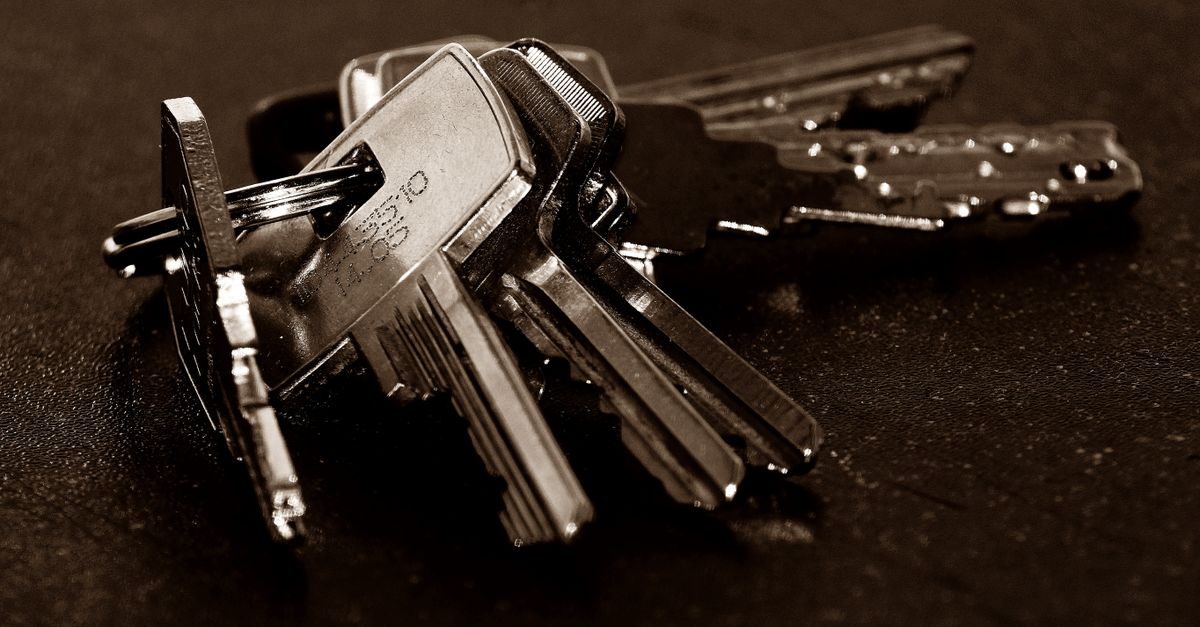
Mortise Lock Architecture: The Engine Behind Professional Keying Systems
New York commercial buildings rely on the mortise lock far more than most of the country because the format has been the dominant standard in the city's building stock for over a century. A mortise lock sits inside a routed pocket in the door edge rather than surface-mounting, giving it superior resistance to forced entry and — critically — a cylinder format that accepts interchangeable cores. Those interchangeable cores are what allow a single door to be re-keyed in seconds during a tenant turnover without replacing the entire lockset, a huge operational advantage in a building with high lease turnover.
When we design a keying hierarchy, we pin each mortise lock cylinder to accept the designated key cuts for its tier while mechanically rejecting cuts from lower tiers. High-security options such as restricted keyways prevent unauthorized duplication at hardware stores — a common vulnerability in standard commercial buildings. We also work with door knob lock cylinders and lever-trim units on interior offices where a full mortise body is not present, integrating them into the same hierarchy so your key chart covers every door, not just the perimeter ones.
Planning and Installing a Commercial Locksmith Keying System in NYC Buildings
Every successful installation starts with a key-bitting list — a controlled document that maps every door, every authorized user level, and every key combination in the system. Our skilled technicians conduct a site walk, photograph existing hardware, note door grades and frame conditions, and produce a written plan before any drilling or pinning begins. For buildings that already have a partial system, we audit whether the existing cylinders can be re-pinned into the new hierarchy or whether replacement is necessary. We prioritize damage-free solutions wherever the hardware allows.
Once the plan is approved, our mobile workshop arrives at your location — we stock cylinders, pinning kits, restricted keyway blanks, mortise bodies, door knob lock cores, and related hardware on the vehicle, so most installations are completed in a single visit without back-ordering parts. Factors that shape your final quote include the number of doors and tiers in the hierarchy, the cylinder type and security grade selected, whether existing hardware can be re-pinned or requires replacement, your location within the New York metro area, and the time of day the work is scheduled. We confirm an exact up-front price before any work begins — no surprises on the invoice.
Need to get started right away? Our team is on call around the clock. Call (646) 796-3022 and a trained technician will assess your building's needs and give you a clear, itemized quote before touching a single lock.
Emergency Locksmith Response and Ongoing Key Control for New York Properties
Even the most thoughtfully designed hierarchy creates an emergency locksmith situation eventually — a property manager locked out of a utility room at 2 a.m., a terminated employee who did not return a master key, or a break-in attempt that damages a cylinder and leaves a floor inaccessible. Because we operate 24/7 with mobile units already positioned across the boroughs, we reach most Manhattan, Brooklyn, Queens, Bronx, and Staten Island locations quickly without the wait typical of dispatch-only services.
Key control — the ability to track who holds which key and revoke access when needed — is what separates a professionally engineered hierarchy from a collection of copied keys. We help building managers establish key-issuance logs, select restricted keyways that prevent over-the-counter copying, and schedule periodic audits. When a key is lost or an employee departs, we can re-key only the affected tier of the system rather than replacing every cylinder in the building, saving significant time and cost. Our insured technicians handle every service call with the discretion New York's high-occupancy environments demand.
Frequently asked questions
Do you need a license to be a locksmith in NY?
New York State does not currently have a statewide licensing requirement specifically for locksmiths, though New York City and some municipalities may impose local registration or business-licensing requirements. What matters most when hiring a locksmith is verifiable credentials: ask whether the technician is insured, whether they carry identification, and whether they can document their training and experience. At NYC Smart Locksmiths, our technicians are trained and insured professionals, and we're happy to present our business documentation before any work begins. Being unregulated statewide is precisely why it pays to ask the right questions rather than assume any technician who answers your call meets a professional standard.
How do I know if a locksmith is legit?
A legitimate locksmith arrives in a marked vehicle or presents clear company identification, provides a written or clearly stated price before starting work, and does not demand cash-only payment after the fact. They will ask you to verify ownership or authorization — a credential check that protects you as much as it protects the property. Be cautious if a technician quotes one price by phone and presents a dramatically different invoice at the door, or if they immediately suggest drilling rather than attempting a damage-free approach. Our team at NYC Smart Locksmiths confirms an exact up-front price, carries identification, and always attempts the least invasive method first. You can reach us any time at (646) 796-3022 to ask questions before booking.
Can a locksmith let me into my house?
Yes — a professional locksmith can open a residential door when you are locked out, but a responsible technician will first ask you to provide proof of residency such as a driver's license with a matching address, a lease agreement, or utility mail. This step protects you as the rightful occupant and ensures the locksmith is not opening a property for an unauthorized person. Our approach is always to attempt a damage-free entry technique before recommending a lock replacement, preserving your existing hardware whenever possible. If the lock is damaged, worn, or no longer secure after the event, we carry replacement cylinders and mortise lock hardware on our mobile units for same-visit installation.
Where can I find an urgent locksmith in NYC?
For any urgent situation in New York — whether it is a commercial lockout in Midtown at midnight or a broken key in a Brooklyn walk-up at dawn — the fastest path to a qualified technician is calling (646) 796-3022 directly. NYC Smart Locksmiths operates 24/7 with mobile units across Manhattan, Brooklyn, Queens, the Bronx, and Staten Island, meaning an experienced technician is already near your area rather than dispatching from a single central depot. Avoid relying solely on online listings without verifying the business address and technician credentials, since the New York market includes call-center operations that subcontract to unvetted individuals. Calling us directly connects you to our own insured, trained team every time.
What is the difference between a locksmith and an auto locksmith?
A general locksmith handles residential and commercial locks — deadbolts, mortise lock cylinders, door knob lock sets, padlocks, access control hardware, and keying systems for buildings. An auto locksmith specializes in vehicle entry, transponder key programming, ignition repair, and car key cutting, which require different tools and training than property work. Many locksmith businesses, including ours, cover both disciplines under one roof. If you need a master key hierarchy designed for an office building and also need a car key replaced for a company fleet vehicle, our team can address both without sending you to a separate provider. Always confirm that the technician you call has demonstrable experience in the specific service you need.
Which security company is the best in New York?
"Best" depends on what your specific building or business actually needs. A 40-story commercial tower in the Financial District has different requirements than a six-unit brownstone in Park Slope or a retail strip in Jackson Heights. The most useful criteria are: do they have direct, trained technicians rather than subcontracted labor? Do they give you a firm price before work starts? Are they insured? Do they have genuine experience with the hardware type your building uses — especially high-security mortise lock cylinders common in New York's older stock? NYC Smart Locksmiths meets all of those standards and operates 24/7 so we are available when a security issue cannot wait for business hours. Call (646) 796-3022 to speak with a technician about your specific property.