NYC Smart Locksmiths Service Team
Local locksmith team
Aug 28, 2026 11 min read
You're standing outside your apartment on West 72nd Street at midnight, keys nowhere to be found, and a locksmith you've never heard of is on their way. Sound familiar? In a city as fast-moving as New York, the pressure of a lockout can make almost anyone open the door — figuratively and literally — to the first technician who shows up. But that urgency is exactly what a small number of fraudulent operators count on, and knowing how to verify the person at your door before they touch your lock can save you from overcharges, shoddy work, or worse.
This guide gives you a practical, no-fluff checklist for confirming that the locksmith standing on your stoop is trained, professional, and honest — whether you're dealing with a door knob lock that won't budge, a mortise lock on a pre-war brownstone, or a car you've locked your keys inside. Run through these steps and you'll be able to make a confident, informed decision every single time.
## How Do I Know If a Locksmith Is Legit? Start Before They Arrive
The single most powerful thing you can do is vet the locksmith before they pull up to the curb. A trustworthy emergency locksmith will have a traceable business name, a local phone number, and a verifiable online presence with real customer reviews tied to a consistent business identity. When you call, ask directly: 'What is the company name that will appear on my receipt?' If the answer is vague or changes between calls, that is a red flag. Reputable operations — like the team at NYC Smart Locksmiths — answer with a clear business name and confirm that name matches the van, the invoice, and the technician's ID. Fraudulent setups often advertise under one name and show up as another entirely.
Also pay attention to the local phone number. A genuinely local New York locksmith will have a recognizable area code and a dispatcher who knows the boroughs. Ask for an estimated arrival window and confirm the service address they have on file. If there is any hesitation or confusion about where you are — whether you're in Astoria, the Financial District, or Crown Heights — that inconsistency matters. A team that works New York every day knows the streets.
## Check ID, the Van, and the Invoice — Every Time, for Every Lock
When the technician arrives, do not skip the ID check even if you feel awkward asking. Any skilled, professional locksmith expects this and will hand over a business card and photo identification without hesitation. Look for the company name on their shirt or jacket to match the name on the van. The van itself should be clearly marked — unmarked personal vehicles are not a dealbreaker alone, but combined with other warning signs, they warrant extra caution. In New York, locksmiths are not required to hold a statewide trade license the way electricians are, which means the credential that matters most is the company's verifiable business registration and insurance status. NYC Smart Locksmiths is fully insured, and our technicians carry ID that matches our business name.
Before any work begins — whether it's a mortise lock replacement on a Manhattan townhouse or a door knob lock rekey in a Queens co-op — ask to see a written quote. A legitimate locksmith will hand you a firm, itemized price before a single tool comes out of the bag. The final cost reflects real variables: the type and age of the lock, the time of day, parts required, and how far the technician has traveled. What it should never do is balloon dramatically once the job is underway. If a technician starts working before you've agreed to a written price, stop the job and ask for that confirmation in writing first.
## Can a Locksmith Let Me Into My House? What to Expect During a Legitimate Service Call
Yes — a qualified locksmith can absolutely let you into your home, and doing so is a core part of what we do. But the way a trustworthy professional handles that process matters enormously. Before opening any residential lock, a legitimate locksmith will ask you to verify that you have the right to access the property. That typically means showing a photo ID with your address, a lease, a utility bill, or another document linking you to the unit. This is not an inconvenience — it is a legal and ethical obligation that protects you, your neighbors, and the locksmith. If a technician does not ask for any proof of ownership or residency before opening your door, that is a serious warning sign.
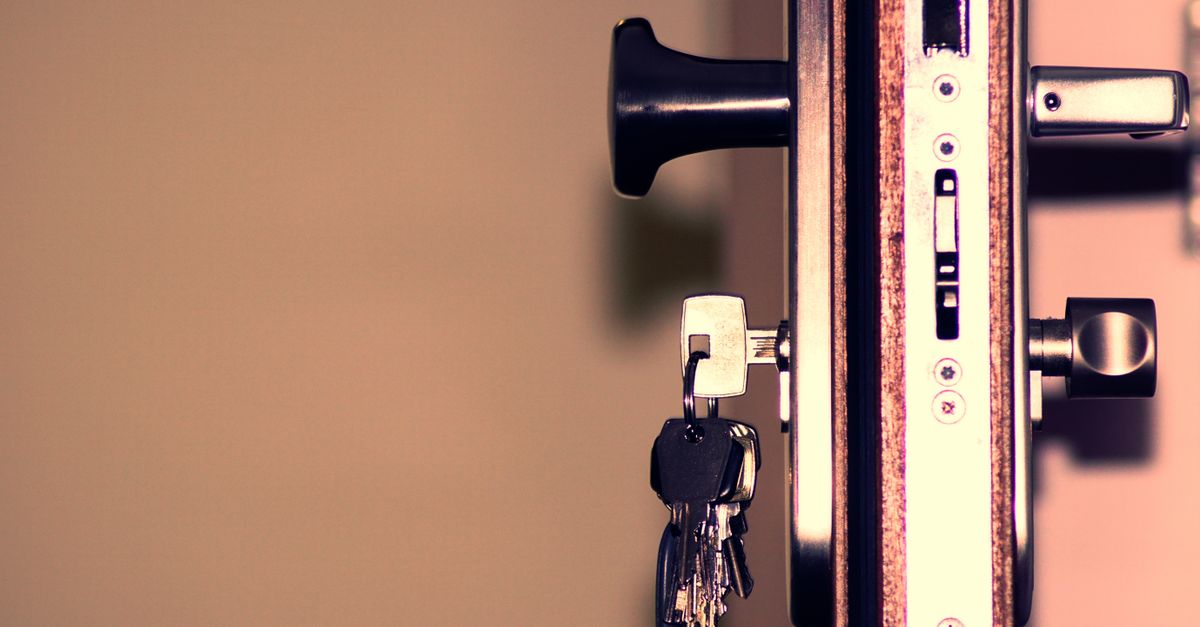
The actual method used to open a lock depends on the hardware. For a standard door knob lock, a trained technician may use non-destructive picking techniques that leave your lock intact. For a high-security mortise lock — the kind with a large rectangular body set into the door edge, common in New York's older residential and commercial buildings — the approach requires more specialized tools and skill. A mortise lock is significantly more complex than a knob or deadbolt, and a technician who treats it carelessly or suggests drilling immediately without exploring non-destructive options first is not giving you their best service. At NYC Smart Locksmiths, our technicians are experienced with the full range of locks found across the five boroughs, from vintage mortise lock hardware in pre-war walk-ups to modern electronic keypad locks. If you need help now, call us at (646) 796-3022 — we answer around the clock.
## Do You Need a License to Be a Locksmith in NY? Understanding Credentials in New York
This is one of the most common questions homeowners and business owners ask, and the honest answer is nuanced. New York State does not currently mandate a single statewide locksmith license the way it does for other trades. However, New York City has its own requirements, and individual counties may have additional rules. What this means practically is that credential verification in New York falls more heavily on the consumer — which is exactly why the steps in this guide matter. Look for business registration, insurance, and a consistent, verifiable identity rather than assuming a displayed 'license number' tells the whole story.
For commercial locksmith work — installing or rekeying high-security mortise lock hardware in an office building, a retail storefront on Fifth Avenue, or a restaurant in the Meatpacking District — the stakes around credential verification are even higher, because you are protecting not just your home but your employees, customers, and inventory. A commercial locksmith job done poorly can void your insurance coverage on a break-in claim. Ask specifically whether the technician has experience with commercial-grade hardware, access control systems, and the specific lock brands installed in your building. Our team works regularly with Schlage, Kwikset, and a range of mortise lock manufacturers used throughout New York's commercial and residential stock.
## What Is the Difference Between a Locksmith and an Auto Locksmith? Matching the Right Skill Set to Your Problem
Not every locksmith is trained to handle every type of lock, and this distinction matters more than most people realize. A general residential locksmith specializes in door hardware — deadbolts, door knob locks, mortise lock systems, keypad door locks, and rekeying. An auto locksmith focuses on vehicle entry, key cutting, transponder programming, and ignition work for cars, trucks, and motorcycles. Some companies, including NYC Smart Locksmiths, train technicians across both disciplines, but many shops specialize in one or the other. When you call during a lockout, be specific: tell the dispatcher whether you need residential, commercial, or auto service so they send a technician with exactly the right tools and experience.
The service list is genuinely broad when you work with a full-service mobile team. Our technicians handle residential lockouts, commercial lockouts, mortise lock installation and repair, door knob lock replacement, deadbolt installation, lock rekeying, master key system setup, keypad and smart lock programming, safe opening, car lockouts, duplicate car key cutting, transponder and fob programming, ignition repair, broken key extraction from locks and ignitions, sliding door lock repair, window lock installation, mailbox lock replacement, garage door lock service, high-security lock upgrades, access control installation, intercom system lock integration, padlock removal, storage unit lockouts, and after-hours emergency locksmith response across all five boroughs. Whether you need to change a door lock on a newly rented apartment or get back into your SUV on the BQE service road at 3 a.m., having one team that covers the full range means one call solves the problem. Reach us any time at (646) 796-3022.
## Red Flags, Pricing Clarity, and How to Change a Lock vs. Rekey It: A Final Checklist
Pull this checklist up the next time you need a locksmith. First, confirm the business name before arrival and check that it matches the van and the technician's ID. Second, ask for a written quote before work starts — the price will depend on factors like lock type, time of day, parts, and travel distance, and a professional locksmith confirms an exact number upfront. Third, verify proof of insurance. Fourth, show your own ID or residency proof before the technician opens your door — and expect them to ask. Fifth, if the quoted price triples the moment drilling begins, stop the job immediately.
Two of the most common services people research online deserve a quick, honest note here. Rekeying a lock — adjusting the internal pins so your existing lock works with a brand-new key — is typically faster and less invasive than a full lock change, and it's a smart move after moving into a new home or after losing a key. Changing a lock involves removing the existing hardware entirely and installing new. Both are legitimate services; the right choice depends on the condition of your hardware and your security goals. Similarly, if you have a keypad door lock and need to change the code, that is almost always a simple owner-operated reset using the manufacturer's instructions — no technician needed unless the lock is malfunctioning or you've lost the admin code and need the unit reprogrammed. When in doubt about which service fits your situation, call us and we'll give you an honest answer before you commit to anything.
## Where Can I Find an Urgent Locksmith NYC? We Cover All Five Boroughs, Around the Clock
Finding trustworthy help fast in New York means knowing who to call before the emergency happens — not searching in a panic from a dark stoop. NYC Smart Locksmiths operates 24 hours a day, 7 days a week, with mobile technicians dispatched across Manhattan, Brooklyn, Queens, the Bronx, and Staten Island. Whether you're locked out of a Park Slope brownstone, stranded near LaGuardia, or need a mortise lock repaired on a commercial property in Midtown, we'll give you a real arrival estimate and a firm price before any work begins. No bait-and-switch, no unmarked vans, no mystery charges. Call (646) 796-3022 any time — day or night, weekday or weekend — and speak directly with our dispatch team.
Frequently asked questions
How do I know if a locksmith is legit before letting them work on my lock?+
Before work begins, ask for a photo ID that matches the company name on their van and invoice. Request a written, itemized quote upfront — a professional locksmith confirms the exact price before touching anything. Ask whether the company is insured, and expect them to ask you to verify your identity or residency before opening a residential lock. If a technician is evasive about any of these points, or if the price changes dramatically mid-job, treat that as a serious warning sign.
Can a locksmith let me into my house legally?+
Yes. Letting you back into your own home is a core locksmith service and is completely legal when done properly. The key word is 'properly' — a qualified locksmith will ask you to show proof that you have the right to access the property, such as a photo ID with your address or a lease. If a locksmith opens your door without asking for any verification, that is actually a red flag, not a convenience.
What is the difference between rekeying a lock and changing a lock?+
Rekeying adjusts the internal pin configuration of your existing lock so it works with a completely new key — the hardware stays in place. Changing a lock means removing the existing unit entirely and installing new hardware. Rekeying is typically the faster option and makes sense when your lock is in good condition but you want to invalidate old keys, such as after moving into a new home. A full lock change makes more sense when the hardware is damaged, outdated, or you want to upgrade to a higher-security option like a mortise lock or a smart keypad system.
Do you need a license to be a locksmith in New York?+
New York State does not currently require a single statewide locksmith license the way it mandates credentials for some other trades. New York City and certain counties have their own local requirements, which means the burden of vetting falls on the consumer. Rather than relying on a license number alone, look for proof of business registration, current insurance, a consistent and verifiable business identity, and technicians who demonstrate real knowledge of the specific hardware in your home or commercial property.