NYC Smart Locksmiths Service Team
Local locksmith team
Apr 24, 2026 10 min read
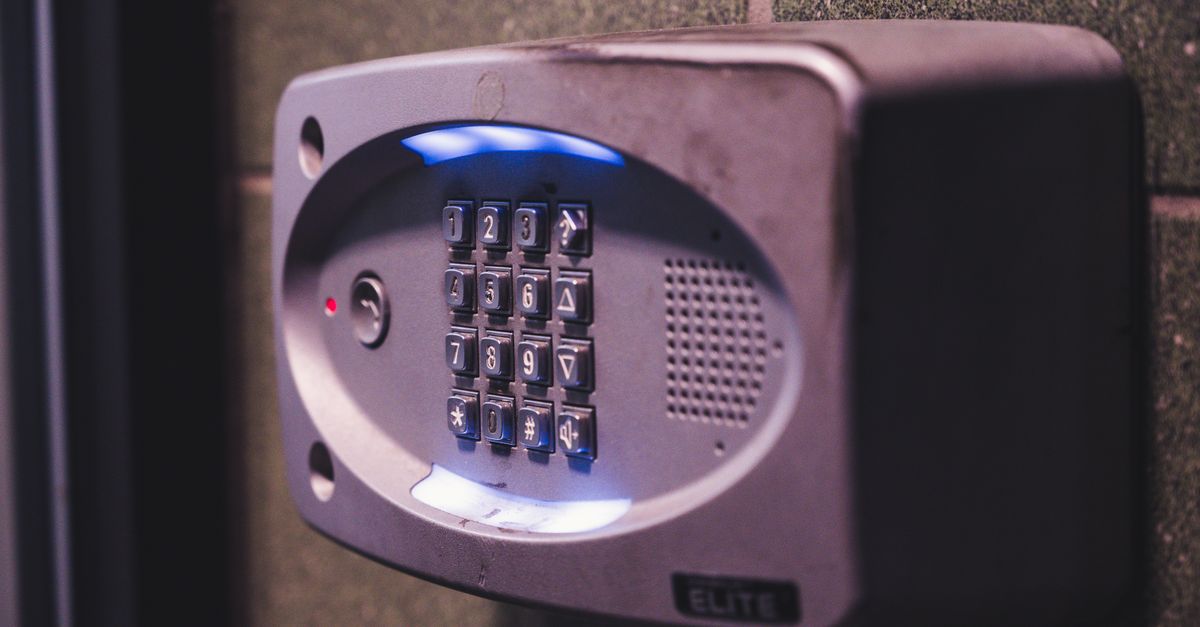
Running a business in New York City means managing a hundred moving parts at once — and your building's access control shouldn't add to the chaos. Whether you're operating a multi-floor office near Midtown, a storefront in Williamsburg, or a warehouse in Long Island City, handing out individual keys for every door quickly becomes a logistical nightmare. Staff lose keys, duplicate copies multiply without your knowledge, and you lose track of who can get where. A master key system solves all of that by creating a logical, layered hierarchy of access — so your team gets exactly the keys they need, and you keep total control at the top.
This guide breaks down how master keying works in real commercial settings, what it involves from a locksmith's perspective, and how to decide whether it's right for your business. We'll also answer the honest questions NYC business owners ask about locksmith services, credentials, and costs — so you can make a smart, informed decision without any guesswork.
## How a Master Key System Actually Works — and Why It Matters for NYC Businesses
A master key system is a keying arrangement where multiple locks, each opened by their own individual key, can also be opened by a single master key. Think of it as a pyramid. At the base, a staff member carries one key that opens only the doors relevant to their role — say, the front entrance and the break room. In the middle, a department manager carries a key that opens all the doors within their floor or zone. At the top, the owner or general manager holds the grand master key that opens everything. Every lock in the system is precision-engineered — typically using mortise lock hardware — so that this hierarchy works seamlessly without any door needing to be retrofitted with a different frame or latch.
The mortise lock is the workhorse of commercial master key systems in New York. Unlike a standard door knob lock, a mortise lock is installed directly into a pocket cut into the door itself, making it far more resistant to forced entry and far easier to rekey into a master key hierarchy. You'll find them throughout older Manhattan office buildings, Brooklyn brownstone storefronts, and Queens commercial corridors — they're built for the kind of daily, high-traffic use that NYC spaces demand. When our commercial locksmith team designs a master key system, selecting and configuring the right mortise lock hardware is always a central part of the conversation.
## Designing the Right Access Hierarchy: A Practical Walkthrough for Offices and Storefronts
The first step isn't picking hardware — it's mapping your space. Before any lock is touched, a skilled commercial locksmith should sit down with you (or walk the property) to chart exactly which doors exist, who needs access to what, and whether your needs are likely to change as your business grows. A three-person boutique on the Lower East Side has very different requirements than a 40-person marketing agency with private offices, a server room, a supply closet, and shared conference spaces. Getting this map right at the start saves you from expensive rekeying down the road.
Once the access map is finalized, the locksmith engineers the key bitting — the specific pattern of cuts on each key — so that the hierarchy works without gaps or overlaps. A good system also accounts for future expansion: adding a new floor, hiring a department head, or bringing on a cleaning crew that needs limited overnight access. If you ever need to terminate an employee's access, a well-built master key system allows a locksmith to rekey only the affected locks rather than replacing hardware across the entire building. That single advantage alone saves most NYC businesses significant time and disruption. Ready to start mapping your system? Call us at (646) 796-3022 — we're available around the clock and can schedule a walkthrough at a time that works for your business.
## Mortise Locks, Door Knob Locks, and Choosing the Right Hardware for Your Space
Not every door in a commercial space requires the same level of hardware, and part of a professional locksmith's job is matching the lock type to the door's function and traffic load. For primary entry doors, back-of-house passages, and any door that sees hundreds of cycles a day, a mortise lock is almost always the right call. The bolt, latch, and cylinder are all housed in a single robust cartridge inside the door — there's nothing external to grab, pry, or snap off. Brands like Schlage offer commercial-grade mortise lock bodies that integrate smoothly into master key systems and are built to withstand New York's relentless use.
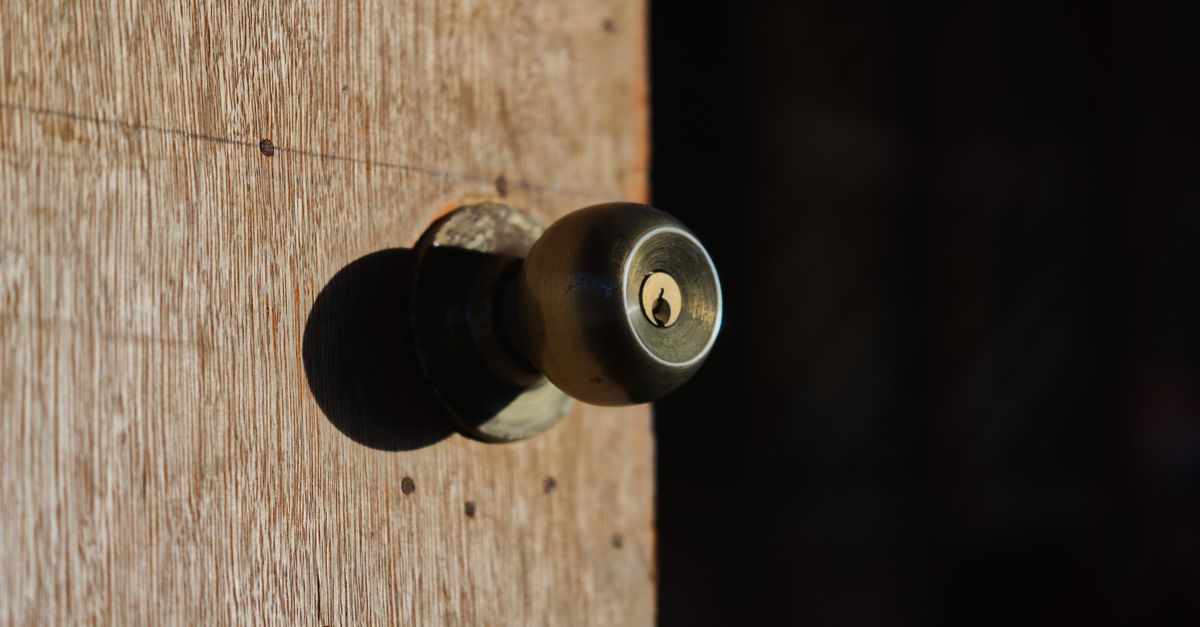
For interior doors with lower security requirements — private offices, storage rooms, individual restrooms — a high-quality door knob lock or lever-handled lock may be perfectly appropriate and will cost less to install across a large floor plan. These can still be incorporated into your master key hierarchy; they simply use a different cylinder format. The goal is always the right lock for the right door, not the most expensive option everywhere. When our team quotes a master key project, we walk through each door individually and explain the reasoning behind every hardware recommendation — and we confirm a clear, exact price before any work begins, so there are no surprises on installation day.
## Can You Trust the Locksmith You Call? What NYC Business Owners Should Know
This is one of the most common and most important questions we hear: How do I know if a locksmith is legit? In New York, it's a fair concern — the industry has seen its share of misleading online listings, bait-and-switch pricing, and unlicensed operators. Here's what to look for. A legitimate locksmith will arrive in a marked vehicle or clearly identify themselves, provide a written estimate before starting any work, and not demand cash-only payment under pressure. They should be willing to show proof of insurance and have a verifiable local address or service area. On the question of licensing: New York City requires locksmiths to hold a license issued by the NYC Department of Consumer and Worker Protection — so asking a locksmith to confirm their local licensing status is a completely reasonable thing to do.
You might also wonder: which security company is the best in New York? The honest answer is that 'best' depends on your specific needs — a residential deadbolt job is very different from engineering a master key system for a 10-floor office building. Rather than chasing rankings, focus on whether the company is insured, whether they give you a firm price upfront, and whether they have demonstrated experience with commercial locksmith work specifically. Our team at NYC Smart Locksmiths is insured, works 24/7 across all five boroughs, and has hands-on experience with the older mortise lock hardware found throughout New York's building stock — from pre-war office corridors in the Flatiron District to newer mixed-use developments in Long Island City.
## Emergency Access, Lockouts, and What a Commercial Locksmith Can Legitimately Do
Even the best-planned master key system can't prevent the occasional lockout. A manager leaves the grand master key at home, a sticky mortise lock cylinder refuses to turn on a Monday morning, or a departing employee takes a key that was supposed to be returned. These are the moments when having a reliable emergency locksmith on call matters most. If you're locked out of your own business, the professional approach is always the same: verify ownership or authorization (expect any reputable locksmith to ask for this), then use trained, non-destructive techniques to restore access without damaging the door or frame.
Where can I find an urgent locksmith in NYC? The answer should always be a provider with a genuine local presence — not a national call center that dispatches a random contractor and then surprises you with the bill. NYC Smart Locksmiths operates as a fully mobile, 24/7 service across Manhattan, Brooklyn, Queens, the Bronx, and Staten Island. We can also handle vehicle lockouts if you're asking about the difference between a locksmith and an auto locksmith: a general locksmith handles building and property locks, while an auto locksmith specializes in vehicle ignitions, transponder keys, and car door mechanisms. Our team is trained in both, so one call covers your business and your vehicle. And yes — a locksmith can let you into your home or office, provided ownership or authorization is confirmed first; this is standard, legitimate practice and nothing to feel uncertain about. For immediate help, call (646) 796-3022 — we answer every call, day or night.
Frequently asked questions
Do you need a license to be a locksmith in NY?+
Yes. In New York City, locksmiths are required to obtain a license through the NYC Department of Consumer and Worker Protection. This is separate from any trade certification and is a legal requirement to operate commercially within the five boroughs. When hiring a locksmith for your business — especially for sensitive work like installing a master key system — it's entirely appropriate to ask for their license number and verify it. At NYC Smart Locksmiths, we are happy to answer any credential questions before we begin work.
How much does a master key system cost for a NYC business?+
There is no one-size-fits-all price because several factors shape the final quote: the number of doors and locks being incorporated, the type of hardware selected (mortise lock cylinders cost more than standard door knob lock cylinders but offer superior durability), the complexity of the access hierarchy, any existing hardware that can be rekeyed versus hardware that needs full replacement, and the time of day the work is performed. We always provide a clear, confirmed price before any work starts — there are no hidden charges added after the job is done. Call (646) 796-3022 to arrange a walkthrough and get an accurate quote for your specific space.
Can I add new doors to an existing master key system later?+
In most cases, yes — and this is one of the reasons a well-designed master key system is worth the upfront planning investment. A system built with expansion in mind uses a keying structure that reserves space for additional lock combinations. A commercial locksmith can introduce new cylinders that slot into the existing hierarchy without rekeying every lock in the building. However, a system that was put together hastily or without growth in mind may hit its combination limit sooner. This is why the initial design consultation matters so much, especially for businesses that expect to grow or change floor plans in the next few years.
What happens to the master key system when an employee is terminated?+
This is one of the most practical advantages of a properly engineered master key system. Rather than changing every lock in the building, a locksmith can rekey only the specific cylinders that the former employee's key would have operated — typically just the locks in their access zone. The master key held by ownership continues to work on all locks without interruption. For higher-security environments, some businesses choose to also reissue keys to other staff in that zone as an added precaution. Either way, the process is far faster and less disruptive than it would be with a conventional single-key setup.