NYC Smart Locksmiths Service Team
Local locksmith team
Sep 25, 2026 10 min read
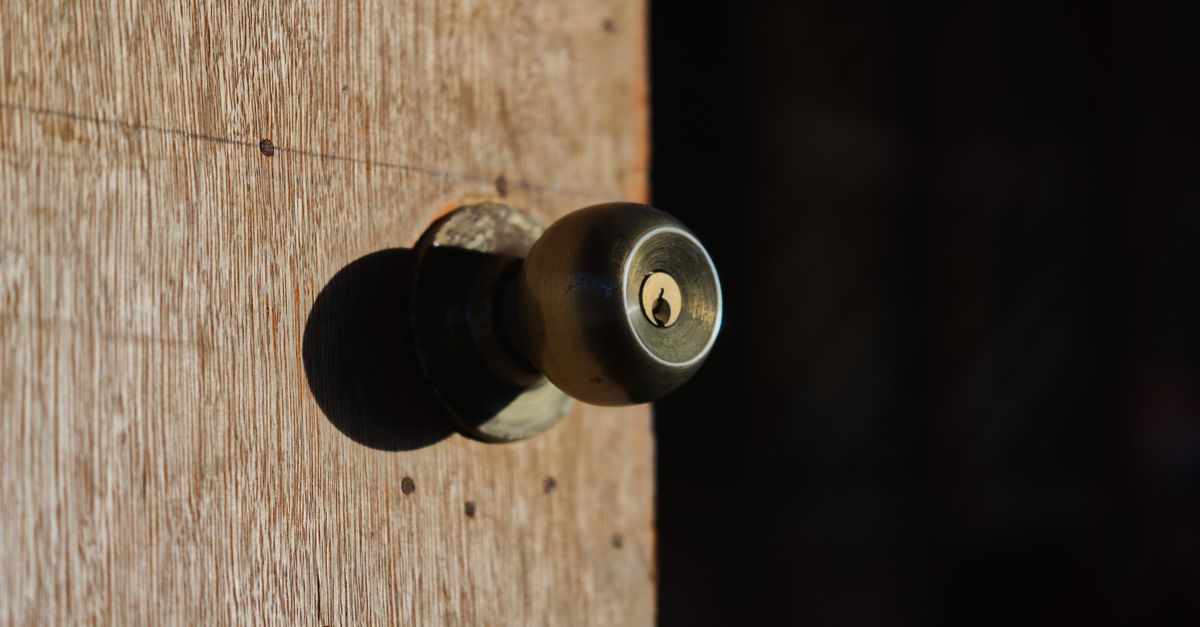
If you've ever squinted at the chunky rectangular mechanism sitting inside your apartment door in a Brooklyn brownstone or a pre-war building on the Upper West Side, you've met a mortise lock — and you're not alone in wondering exactly what it is or why it's there. Unlike the simple cylindrical knob-and-latch setups you might find in newer construction, mortise locks are deeply embedded in New York City's housing fabric, installed by the tens of thousands in the early-to-mid 20th century and still quietly doing their job decades later.
This guide breaks down what a mortise lock actually is, why older New York apartments rely on them, how to spot common problems before they become emergencies, and — most importantly — when a skilled locksmith can repair rather than replace the hardware you already have. Whether you're locked out at midnight on the Lower East Side or just noticing your key turning strangely, understanding your lock is the first step toward a smart fix.
## What Is a Mortise Lock, and How Is It Different from a Regular Door Knob Lock?
A mortise lock is a complete locking mechanism housed inside a rectangular steel case that sits recessed — or 'mortised' — into a pocket cut directly into the door's edge. That case contains multiple working parts in one unit: a deadbolt, a spring latch, a cylinder, and often a privacy thumb-turn, all integrated together. This is fundamentally different from a standard cylindrical door knob with lock and key, where a simple bored hole holds a self-contained knob assembly. The mortise design puts more steel in the door and more mechanical complexity behind the face plate, which is a big reason New York City's older building codes and landlords favored them.
The external face you see — the escutcheon plate — usually holds both the door knob or lever handle and the keyhole. Pulling out the cylinder (called the mortise lock cylinder) exposes the inner cam that controls the bolt. Brands that showed up in New York buildings in large numbers include Corbin Russwin and Baldwin, both known for commercial-grade durability. A Corbin Russwin mortise lock installed in 1955 in a Harlem walkup is not a relic to discard; it's often a piece of hardware that, with the right attention, can outlast anything sold today.
## Why So Many NYC Apartments and Brownstones Use Mortise Locks
New York City's pre-war and post-war building boom — roughly from the 1890s through the 1960s — produced hundreds of thousands of apartment units in brownstones, tenements, and mid-rise buildings, particularly in neighborhoods like the West Village, Park Slope, Astoria, and Washington Heights. Builders and architects of that era specified mortise lock sets because the hardware offered higher resistance to forced entry than the cylindrical locks that would become standard in cheaper suburban construction. A thick wooden door paired with a recessed steel mortise lock set on an exterior door was simply harder to kick in, making it the sensible choice for dense urban buildings where doors sit close to public hallways and stairwells.
City housing regulations and co-op building standards also played a role — many buildings required (and some still require) double-cylinder or deadbolt-capable hardware that integrates cleanly into the door stile, and mortise lock sets fit that need without requiring major door modification. The result is that if you live in any building constructed before roughly 1980 in New York, your front door almost certainly has a mortise body inside it, even if the exterior hardware has been swapped out over the years.
## Common Problems — and When Repair Beats Replacement
The most frequent complaint our team hears: the key turns harder than it used to, the deadbolt doesn't throw all the way, or the door knob spins without engaging the latch. These symptoms sound alarming, but they rarely mean the entire lock body is finished. Mortise mechanisms are modular by design. A worn mortise lock cylinder can usually be re-keyed or swapped independently without disturbing the lock body. A broken cam, a fatigued spring, or a misaligned strike plate can each be addressed as a targeted repair. In many cases a skilled locksmith can disassemble the case, replace the specific failed component, lubricate the mechanism properly, and have the door working smoothly in under an hour.
Replacement makes more sense in a narrower set of situations: the lock body itself is cracked or the case walls are buckled from a forced-entry attempt; the internal mechanism is so corroded (common near exterior doors facing weather on a brownstone stoop) that individual parts are no longer available; or the door itself has warped so severely that a new mortise lock set exterior door installation is the cleaner path forward. A good locksmith will be direct with you about which situation you're in — if repair is viable, we'll tell you and do exactly that. If you're weighing whether it's time to call for a professional assessment, reach out to NYC Smart Locksmiths any time at (646) 796-3022 — we answer around the clock.
## How to Verify a Locksmith Is Legitimate — and What to Expect on a Service Call
A question we hear constantly is: 'How do I know if a locksmith is legit?' It's a fair concern, especially in a city where rushed online searches during a lockout can surface unreliable operators. A trustworthy locksmith will arrive in an identifiable vehicle, carry professional tools, ask for proof of residency or ownership before beginning work on a door, and — critically — confirm a firm, all-in price before touching anything. Factors that influence what a mortise lock repair or replacement costs include the specific hardware brand and model, the parts required, travel distance, and whether the call comes during standard hours or overnight. There should be no surprise charges after the job is done.
In New York State, the locksmith trade has specific regulatory considerations, and a common question is: 'Do you need a license to be a locksmith in NY?' New York City and State have regulations governing locksmith businesses, and any operation working legitimately in the five boroughs should be prepared to answer your questions about their credentials and insurance. Our team is insured, trained on a wide range of residential, commercial, and automotive hardware, and experienced specifically with the legacy hardware found throughout New York's older building stock. We verify ownership before every job — that's not a formality, it's a basic step that protects you as much as it protects us.
People also ask: 'Can a locksmith let me into my house?' Yes — that is one of the core things a locksmith does. If you're locked out, the legitimate process starts with verifying that you live or work there (a piece of mail, a lease, an ID matching the address), then using professional non-destructive techniques to open the door. We never walk a homeowner through forced-entry methods, and a reputable locksmith won't either. If you're locked out of your apartment in Midtown at 2 a.m., the right move is to check for a building super or a spare key with a trusted neighbor first — and if neither is available, call a professional emergency locksmith.
## The Full Range of Mortise Lock and Locksmith Services We Provide NYC Residents
NYC Smart Locksmiths handles the complete spectrum of lock and security needs across all five boroughs, with a particular depth of experience in the mortise hardware found in New York's older residential and commercial buildings. Our services include: mortise lock repair and rebuild; mortise lock cylinder re-keying and replacement; full mortise lock set installation on interior and exterior doors; Baldwin mortise lock installation and service; Corbin Russwin mortise lock repair and parts sourcing; high-security deadbolt installation; smart lock and keypad lock installation; master key system design for residential buildings and co-ops; lock re-keying after a move or roommate change; emergency lockout service for apartments, homes, and offices; commercial locksmith services for retail storefronts, offices, and multi-unit buildings; access control system installation and service; door closer repair and replacement; mailbox lock repair and replacement; gate and padlock service; car lockout assistance; automotive key cutting and programming; transponder key duplication; ignition repair and replacement; broken key extraction from locks and ignitions; lock repair after a break-in or attempted forced entry; strike plate reinforcement and door frame repair; peephole installation; window lock installation; and safe opening and combination changes. Whether your building is a 1910 brownstone in Bed-Stuy or a 1960s high-rise on the Upper East Side, our mobile team comes to you — fully equipped, with no shop visit required.
A note for commercial clients: the difference between a standard residential locksmith and a commercial locksmith is largely one of scale, hardware complexity, and access control sophistication. Commercial doors frequently use heavy-duty mortise lock sets on exterior doors, panic hardware, and multi-point locking systems. Our team works regularly with building managers, property owners, and business operators across Manhattan, Brooklyn, Queens, the Bronx, and Staten Island to service exactly this hardware. And for customers wondering about auto locksmith services specifically — an auto locksmith focuses on vehicle entry, key cutting, and ignition work, which is a distinct skill set from residential lock work; our mobile team handles both, so you're never sent to a second provider.
Frequently asked questions
What is a mortise lock, and is it more secure than a regular door knob with lock and key?+
A mortise lock is a locking mechanism housed in a steel case recessed into the door's edge, integrating a deadbolt, spring latch, and cylinder in one unit. Because the entire body sits inside the door rather than in a simple bored hole, it offers greater structural resistance to forced entry than a standard cylindrical door knob lock. For NYC apartment doors — which often face common hallways with heavy foot traffic — the added depth and mass of a mortise body is a meaningful security advantage.
My Corbin Russwin mortise lock is very old. Should I replace it or can it be repaired?+
In most cases, a Corbin Russwin mortise lock from an older New York building can be repaired rather than replaced. These were built to commercial-grade tolerances, and individual components — the cylinder, the cam, the latch spring — can often be sourced or fabricated and swapped without touching the lock body. Our locksmith will open the case, assess what's worn or broken, and give you an honest recommendation. Replacement only makes clear sense when the case itself is structurally compromised or severely corroded beyond serviceability.
How do I find an urgent locksmith in NYC when I'm locked out late at night?+
Call (646) 796-3022 — NYC Smart Locksmiths operates 24 hours a day, 7 days a week, including holidays, across all five boroughs. When you call, have your address ready and be prepared to confirm that you're the resident or authorized occupant (a lease, utility bill, or ID matching the address works). We'll give you an estimated arrival time and confirm the exact price before any work begins. Before you call, it's worth a quick check: does a neighbor have a spare key, or can your building super let you in? If neither is available, we're your next call.
Can a locksmith open my door without damaging the lock?+
In the vast majority of lockout situations — including apartments with mortise locks — a trained locksmith can open the door without damaging the lock or the door frame. The specific technique depends on the lock type and condition, but professional non-destructive methods exist for nearly every residential scenario. Destructive entry (drilling) is a last resort, used only when the lock itself has failed mechanically or is otherwise impossible to open through standard means. Our team will always choose the least invasive approach and explain the options to you before proceeding.